Best Wind Instruments for Sailing Boats: Clear Readable Choices for Every Deck
Find reliable wind indicators and related instruments that help sailors make precise decisions on the water. This guide highlights five practical wind instruments suitable for a range of boats, from small daysailers to cruising yachts. It explains who benefits most from each option and why these picks stand out for American sailors. Whether you’re racing, cruising, or simply navigating, these devices provide clear wind data to improve handling and safety.
Below is a quick, at-a-glance comparison of the selected products to help you decide faster. All choices prioritize visibility, durability, and straightforward installation for typical sailboat setups.
| Product | Best For | Key Benefit |
|---|---|---|
| Garmin GNX Wind | Sailors needing digital wind data | Glass-bonded display with high contrast and dual data fields |
| Windex XL | Cruisers and racers seeking proven accuracy | Bright visibility day and night, complete vane kit |
| Blueshark 18″ (460mm) | Medium-to-large boats | Carbon fiber vane, corrosion resistant |
| Five Oceans 14-1/2″ Wind Direction Indicator | Small to mid-sized boats | Ball bearing vane with clear visibility |
| Blueshark 9.8″ (250mm) | Smaller boats or auxiliary use | Compact, durable vane |
Garmin GNX Wind, Affordable, Dedicated Wind Instrument for Sailboats
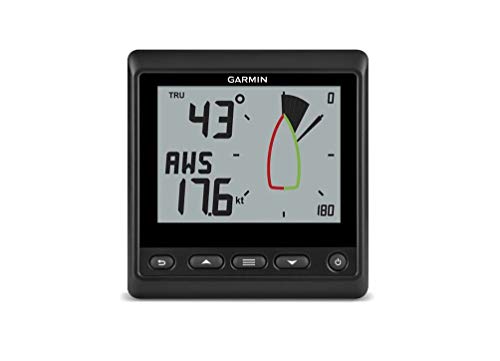
The Garmin GNX Wind is a dedicated wind instrument designed for sailboats that require a digital display. It emphasizes legible data with a backlit, glass-bonded monochrome LCD and high-contrast digits. This unit simultaneously shows true and apparent wind data, with two data fields and a digital wind rose. It integrates with steering and navigation features such as Pilot assist and boat speed readouts. Best for watermen who rely on clear, digital wind readouts during cruising or restrained racing courses.
Best for: Sailors who want a dedicated, easy-to-read wind instrument with clear data presentation and integration with broader sailing systems. Choose this if you value a robust, always-visible display in varied lighting conditions. Limitation: Display preference may favor users who want a single-purpose wind readout rather than a wider multifunction instrument suite.
Windex XL Wind Direction Indicator

The Windex XL is a classic, proven wind vane indicator designed for larger cruising and racing sailboats. It includes the vane unit, supporting rod, index arms, and mast socket for installation. It uses reflector tape on the vane and tacking tabs to maximize visibility day or night, providing accurate apparent wind direction essential for tactical maneuvers. It’s a reliable choice for boats in the 40–100+ feet range that require dependable wind direction data.
Best for: Cruisers and racers who want a dependable, widely compatible wind vane with strong day/night visibility. Choose this if you prioritize a well-established vane system with straightforward installation. Limitation: It’s a larger unit meant for bigger boats, which may be overkill for very small vessels.
Blueshark Sailing/Boat Wind Indicator 15.7in (400mm)

This Blueshark wind indicator uses a carbon fiber vane for reduced weight and high corrosion resistance. With a 15.7-inch vane, it suits mid-sized boats for precise wind direction reading. It’s presented as a robust option for boats between 6 and 9 meters in length. The vane material and build aim to withstand marine corrosion while maintaining good responsiveness in light to moderate winds.
Best for: Sailors with mid-sized boats who want a balance of durability and performance. Choose this if you prefer a carbon vane and strong corrosion resistance. Caution: Carbon vane integrity depends on proper mounting and alignment; ensure installation is precise to avoid wind reading errors.
Blueshark 18 in (460mm) Wind Indicator

The Blueshark 18-inch (460 mm) wind indicator features a long vane for enhanced sensitivity and readability on larger boats. With a robust carbon fiber vane and corrosion resistance, it’s well-suited for boats operating in harsh marine environments. Its length provides improved stability in varying wind conditions, contributing to more consistent wind direction readings on decks with extended rig work.
Best for: Larger sailboats needing better wind direction sensitivity and visibility. Choose this if you want a longer vane for steadier readings in gusty or choppy seas. Limitation: The longer vane requires more space clearance and proper mounting to prevent interference with lines or rigging.
Buying Guide: Key Considerations For Selecting Wind Instruments
- Boat size and purpose: Larger vessels benefit from robust vane indicators like Windex XL or Blueshark 18″ due to visibility and stability. Smaller boats may prefer compact units like Blueshark 9.8″ or Garmin GNX Wind for digital readouts.
- Display type: Digital wind instruments (like Garmin GNX Wind) offer multi-field data; analog vane indicators (like Windex XL) provide immediate direction readings without electronics. Consider your navigation style and cockpit layout.
- Installation and mounting: Through-bolt or mast socket mounting is common. Ensure there is clearance from rigging, halyards, and sheets to avoid snagging or interference.
- Visibility in all lighting: Day and night readability with reflective tape or backlit displays improves safety and decision-making under various conditions.
- Durability and materials: Corrosion-resistant vanes, carbon fiber options, and rugged housings extend the instrument life in saltwater environments.
- Power and integration: Digital wind instruments may integrate with other navigational systems. If you prefer standalone readings, analog indicators are straightforward and low-maintenance.
FAQ
- What is the primary data provided by wind instruments on sailboats?
- Are digital wind instruments worth the upgrade for small boats?
- How reliable are traditional wind vanes in rough seas?
- Do wind indicators require frequent maintenance?
- Can wind indicators improve racing performance?
- Which wind instrument is best for a cruiser approaching large lakes or coastal waters?
Wind instruments primarily provide wind direction and wind speed data to help sailors optimize sails and course selection.
Yes, if you value easily readable wind data and integration with other navigation gear; for very small boats, a simple vane indicator may be sufficient.
Traditional wind vanes are robust and require little power; they often offer reliable direction readings even when electronics are unreliable.
Most require only periodic cleaning and inspection for corrosion or mount integrity; check vane movement and mounting bolts periodically.
Yes, accurate wind readings help optimize sail trim and tack timing, contributing to better VMG and faster decisions on the water.
Windex XL or Blueshark 18″ are strong all-around choices due to visibility, durability, and reliability on mid-to-large boats used in coastal cruising.
Buying multiple wind instruments depends on boat size, usage, and preference for digital versus analog data. The five options above cover a spectrum from traditional vane indicators to modern digital wind readouts, each with specific strengths relevant to different sailing scenarios.