Best Sand Spikes for Boats to Secure Your Watercraft
Finding the best sand spikes for boats helps secure your boat, kayak, or jet ski effectively in shallow water, sandbars, and beaches. Sand spikes provide a quick, easy, and reliable anchoring solution especially when traditional anchors are impractical. Below is a summary of top-rated sand spike boat anchors designed for various watercraft and conditions, featuring corrosion resistance, self-hammering designs, and sturdy construction.
| Product | Brand | Key Features |
|---|---|---|
| Sand Spike Boat Anchor Pole | Better Boat | Self-hammering, galvanized steel, steel tie-down loop for multiple boats |
| Extreme Max Self-Hammering Beach Spike Anchor | Extreme Max | Easy off-shore parking, fun self-hammering handle, for up to 30′ boats |
| Virego Sand Spike Boat Anchor | Virego | Premium carbon steel, rubber-coated handle, self-hammering with bungee cord |
| Patented 18″ Aluminum Spike Beach Anchor | WAVESRX | Ultra-light aluminum, patented design, best for boats up to 5,000 lbs |
| Leero 39” Sand Spike Boat Anchor | Leero | Galvanized steel, stainless steel anchor hook, easy removal |
Better Boat Sand Spike Boat Anchor Pole

The Better Boat Sand Spike Boat Anchor Pole is crafted from hot-dipped galvanized steel ensuring marine grade durability. It comes in 22′ and 30′ versions, designed to penetrate both soft and hard-pack sand with ease using an included bungee cord that facilitates self-hammering installation. This anchor pole features reinforced rubber grips for comfort and a steel tie-down loop, allowing secure mooring for various watercraft such as pontoons, jet skis, and small boats. Its versatility makes it an excellent option for shallow waters, sandbars, and beaches, providing multiple seasonal usage.
Extreme Max Self-Hammering Beach Spike Anchor
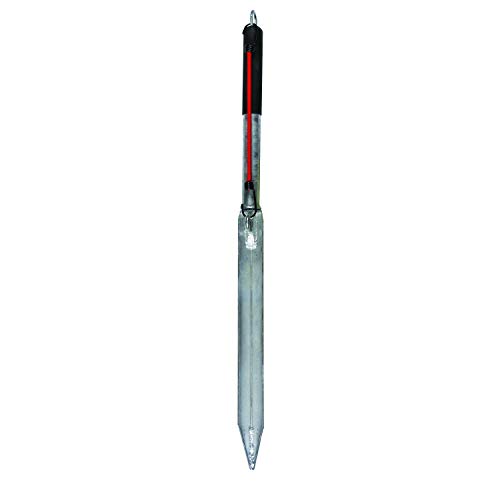
Designed for PWCs and boats up to 30 feet, the Extreme Max Self-Hammering Beach Spike Anchor provides an effective off-shore parking solution. It includes a self-hammering handle that makes installation fast, fun, and secure, ensuring the anchor holds firmly throughout the day without loosening. The large spike is constructed for durability and ease of use on sandbars and beaches, giving peace of mind when leaving your watercraft unattended in shallow shore waters.
Virego 39 Inch Sand Spike Boat Anchor

The Virego Sand Spike Boat Anchor offers premium carbon steel construction with a rubber-coated handle for grip and comfort. This 39-inch spike quickly penetrates soft and hard sand with the help of a built-in slide hammer and included bungee cord for self-hammering action. The anchor is suitable for boats, pontoons, and kayaks up to 36 feet. Featuring a convenient steel tie-down loop, it securely anchors vessels even in strong currents and waves, maximizing shore safety and stability.
WAVESRX Patented 18″ Aluminum Spike Beach Anchor
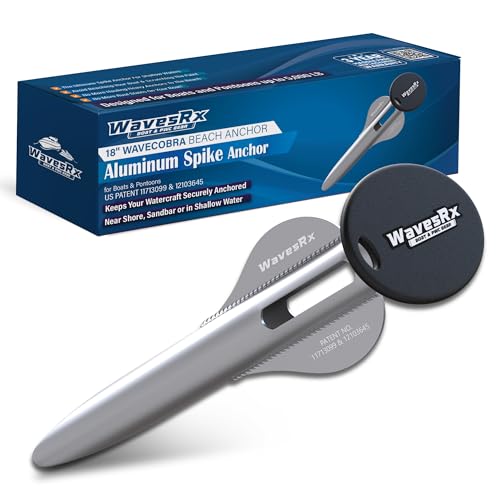
The WAVESRX Patented Aluminum Spike Beach Anchor stands out for its ultra-lightweight 16 oz construction from aluminum, making it exceptionally portable. Its patented design allows easy insertion at a 15% angle into sand or seabed for fast, secure anchoring in shallow water, beaches, and sandbars. Ideal for watercraft up to 5,000 lbs dry weight, this 18-inch spike serves as a perfect stern anchor to work together with a bow anchor, enhancing overall stability against currents and winds.
Leero 39” Sand Spike Boat Anchor with Anchor Hook

The Leero 39” Sand Spike Boat Anchor combines galvanized steel durability with a corrosion-resistant design perfect for salt and freshwater use. It includes a stainless steel 3/8-inch anchor hook and an accessory pouch for organization. Easy to deploy, just detach the bungee cord, hammer into the sand, and secure your watercraft with two sturdy tie loops. When finished, removal is straightforward by pulling straight upward, making it a practical choice for small boats, jet skis, and kayaks under 22 feet.
Buying Guide for Sand Spikes for Boats
Choosing the right sand spike boat anchor entails evaluating your specific boating needs, environment, and boat size. Here are key factors to consider:
Material and Durability
Look for corrosion-resistant materials like galvanized steel, stainless steel, or aluminum to endure marine environments. Hot-dipped galvanized steel offers long-lasting rust resistance, while stainless steel provides strength and longevity. Aluminum models are lightweight and portable but may not be suitable for heavier boats.
Length and Size
The spike length determines its anchoring strength and depth. Longer spikes (around 30-40 inches) provide more penetration for secure hold in deeper sand or silt. Smaller boats and jet skis generally require shorter spikes (18-30 inches). Consider your boat size, water depth, and seabed type before selecting.
Self-Hammering and Ease of Use
Many modern sand spikes include a self-hammering design using a bungee cord or slide hammer. This feature makes installation quick, reduces physical effort, and ensures the anchor is firmly set. Look for grips or handles with rubber coatings for comfort during installation and removal.
Tie-Down Loops and Compatibility
Anchors with multiple tie-down loops offer versatile use for different ropes, lines, or multiple watercraft mooring. If you have several vessels or share docks, this is an important feature for convenience and security.
Weight and Portability
Heavy-duty steel spikes provide durability but might be more cumbersome to carry. Lighter aluminum options allow easier transport to beaches or remote locations but may have load limits. Balance portability with required stability based on your usage.
Boat Size and Water Conditions
Match the anchor spike to your boat size and typical weather conditions. Larger boats require anchors with greater holding power, while smaller craft can use moderate-sized spikes. Consider wind, current strength, and potential water traffic to determine if a single or dual anchor system is needed for optimal security.