Best Salt Water Pontoon Boat Maintenance Essentials for Clear, Protected Surfaces
When maintaining a salt water pontoon boat, the top priority is removing salt deposits while protecting surfaces for long-lasting performance. This guide highlights five practical products that address cleaning, corrosion protection, and engine flushing. It is ideal for boat owners, live-aboard enthusiasts, and weekend anglers who regularly encounter salt exposure and need reliable maintenance solutions. The selection emphasizes ease of use, compatibility with garden hoses or engine flush kits, and clear value for keeping pontoons in peak condition. A quick buying guide follows with practical checks and comparisons.
| Product | Best For | Why It Matters |
|---|---|---|
| STAR BRITE Salt Off Kit | All-surface salt removal | Complete kit with applicator to flush and clean diverse surfaces. |
| Durabasics Salt Remover Concentrate Kit | Persistent salt buildup | Powerful formula for boats, engines, and metal gear. |
| Boat Juice 2in1 Exterior Boat Cleaner | One-step cleaning and protection | SiO2 ceramic sealant plus water spot removal. |
| Escentile [1 Gallon] Concentrated Salt Remover | Versatile salt removal | Ultra-concentrated, easy to dilute and rinse. |
| SEAFLO 55-Series Washdown Kit | High-volume washdown | Self-priming, 5.5 GPM, complete kit for easy setup. |
STAR BRITE Salt Off Kit Applicator & Concentrate

Best for: boat owners needing a complete salt removal solution across multiple surfaces. This kit combines a Salt Off concentrate with an easy applicator, making it convenient to flush engines and remove deposits from fiberglass, vinyl, painted surfaces, metal, chrome, plastic, wood, glass, and rubber. The kit’s design supports a straightforward, hose-fed cleaning process, which helps keep the pontoon’s deck and pontoons free of salty residue. Use caution on highly sensitive coatings; test a small area first to avoid any surface interaction.
Durabasics Salt Remover Concentrate Kit

Best for: owners facing salt build-up on boats and engines, including outboards. This kit emphasizes versatility for flushing motors, reels, lures, and other metal gear exposed to salt water. The included easy-to-use hose applicator enables a seamless cleaning flow. A limitation is that concentrated formulas may require careful dilution to optimize performance on lighter materials; always follow dilution guidelines for delicate finishes.
Boat Juice 2in1 Exterior Boat Cleaner & Protectant
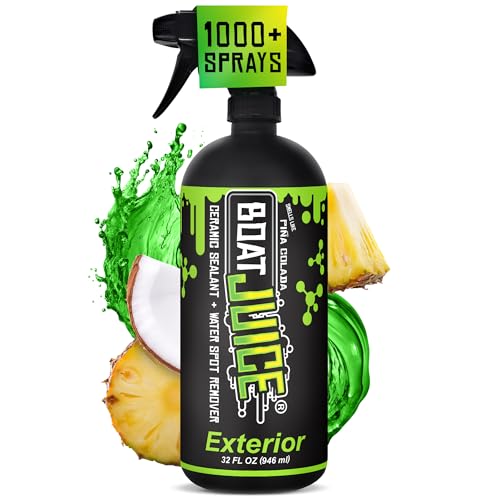
Best for: boat owners seeking a single product that cleans, shines, and protects. This 32 oz spray combines water spot removal with a SiO2 ceramic sealant, delivering a showroom finish while offering UV and future-stain resistance. It’s especially effective after spring launches or saltwater trips. It may require reapplication over time to maintain the protective layer, depending on exposure and washing frequency.
Escentile [1 Gallon] Concentrated Salt Remover

Best for: buyers needing a higher-concentration salt remover with a simple dilution approach. The product promises 2x effectiveness and a protective shield against corrosion. It supports spray and soak applications via a garden hose or engine flush kit. A potential limitation is that precise dilution is essential for optimal results; misdilution can lessen efficacy.
SEAFLO 55-Series Washdown Kit

Best for: pontoon owners needing a robust washdown system for saltwater and general cleanup. This 12V pump kit features 5.5 GPM, 70 PSI, and a complete setup with a coiled hose and spray nozzle. It’s ideal for regular rinsing of decks, rails, and motors. A consideration is power consumption; ensure the boat’s electrical system can support extended use without draining the battery.
Buying Guide
What should I consider when choosing salt removal products for a salt water pontoon?
- Surface compatibility: Confirm the product’s safe use on fiberglass, vinyl, metal, wood, and painted surfaces to avoid dulling finishes.
- Ease of use: Hose-end applicators, integrated sprayers, and complete kits reduce the effort required for regular maintenance.
- Engine and gear protection: Look for solutions that not only remove salt but also aid corrosion prevention or protect seals and coatings.
- Concentration and dilution: Higher-concentration formulas save money but require proper dilution; follow manufacturer guidelines to prevent over- or under-application.
- Application method: Hose-based flushing versus spray/soak methods offer flexibility for different tasks and hard-to-reach areas.
How do these products work together for a complete salt-water care routine?
- Use a dedicated salt remover to wash off salt deposits from hull surfaces and engine components after trips.
- Employ a flush kit to extend engine life by aiding cooling-system cleanliness and reducing corrosion risk.
- Apply a protective coating or ceramic sealant to minimize future salt and mineral deposition and simplify cleaning.
- Adopt a washdown pump kit to maintain the deck, rails, and accessories during and after salt exposure.
What are common pitfalls to avoid?
- Avoid applying concentrated formula directly to sensitive finishes without a test patch.
- Avoid neglecting to rinse thoroughly after using salt removers, which can leave residues.
- Avoid using heavy scrubbing if a product promises “no scrubbing” results; follow the recommended dwell time and rinse.
Recommended maintenance cadence
- After each saltwater trip, rinse surfaces with clean water and apply a light salt remover where deposits appear.
- Monthly or quarterly, run a full engine flush using a dedicated kit to reduce salt buildup in cooling passages.
- Seasonally, reapply a ceramic sealant or protective spray to maintain a barrier against moisture and salt.
FAQ
- Q: Can I use these products on boats stored on trailers? A: Yes, many are designed for use on trailers; follow surface compatibility guidance for any coatings.
- Q: Is a separate engine flush kit necessary? A: For engine-focused care, a dedicated flush kit helps reach cooling passages more effectively.
- Q: How often should I flush my marine engine? A: Frequency depends on usage and salt exposure; consider flushing after frequent saltwater trips or monthly during heavy use.
- Q: Are there eco-friendly options among these products? A: Several formulas emphasize non-acidic, surface-safe formulations; check product details for environmental notes.
- Q: Do these products require rinsing with a hose? A: Most recommend thorough rinsing to remove residues and prevent film buildup.