Best One Man Fishing Kayaks for Solo Angling and Easy Transport
Answering the common search for solo kayak fishing, this guide highlights top one-man options designed for stability, ease of use, and portability. Ideal buyers range from casual weekend anglers chasing calm lakes to river packers who want a lightweight, transport-friendly craft. Below, you’ll find five suitable choices with clear pros and trade-offs, plus a practical buying guide and concise FAQs to help you decide quickly.
| Product | Type | Best For | Notes |
|---|---|---|---|
| Pelican Sentinel 100X Angler | Sit-on-Top Kayak | Beginner to intermediate solo anglers | Lightweight and stable hull |
| Pelican Catch Mode 110 Fishing Kayak | Angler Kayak | All-day comfort and gear capacity | Premium seating and rigging |
| Nuwani 9ft Inflatable Fishing Kayak | Inflatable | Compact transport and lakes | Low weight, easy storage |
| INTEX 68303EP Excursion Pro K1 | Inflatable Kayak | Budget-friendly solo paddling | High rigidity with two skegs |
| PLUSINNO Fishing Net | Fishing Accessory | Kayak fishing kits | Snag-free, portable net option |
Pelican Sentinel 100X Angler Fishing Kayak

- Hull: Multi chine flat bottom adds stability for casting and reeling.
- Size and weight: 9’6″ length; 44 lb for easy transport and storage.
- Material: Ram-X construction for durability and years of use.
- Best for: Anglers prioritizing stability and portability in a dedicated one-person setup.
- Caution: As a sit-on-top, it may feel less dry for aggressive waves; consider weather and water conditions.
Pelican Catch Mode 110 Fishing Kayak

- Stability: Tunnel hull designed for secure rides and easy entry/exit.
- Comfort: ErgoBoost seating with EVA pad and adjustable height for better visibility.
- Features: Front and rear tank wells, two bottle holders, three rod holders, and under-seat storage.
- Best for: Anglers who want premium fishing features and ample onboard storage.
- Caution: As a premium model, it may be less portable than lighter options.
Nuwani 9ft Inflatable Fishing Kayak

- Capacity: 9 ft long, up to 220 lb weight capacity; solo use on lakes and mild rivers.
- Construction: Upgraded PVC with reinforced bottom and sides for durability.
- Portability: Lightweight design (about 15 lb) with included carry bag.
- Best for: Budget-conscious solo anglers seeking easy storage and travel-friendly setup.
- Caution: Inflatable performance can be affected by sharp objects and rough conditions; inspect for leaks before use.
INTEX 68303EP Excursion Pro K1

- Construction: 3-ply laminate with SuperTough PVC for strength and abrasion resistance.
- Stability: High-pressure inflation and removable skegs for maneuverability in different water depths.
- Storage: Extra bow/stern space and D-rings for dry bags and gear.
- Best for: Solo paddlers wanting a rugged inflatable with practical storage and glide.
- Caution: Inflatable setups require a pump and time to achieve full rigidity; plan for setup time.
PLUSINNO Fishing Net
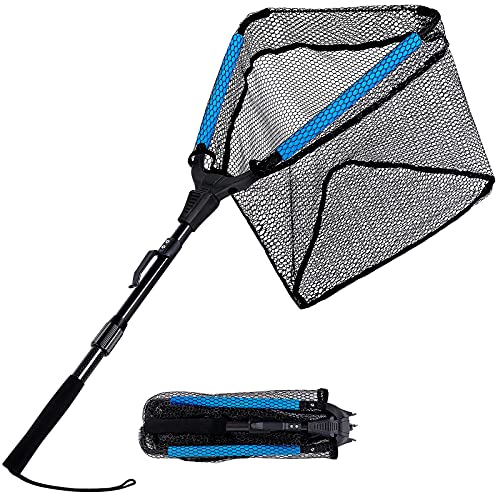
- Design: Floating, fixed-foldable telescopic pole for easy reach from a kayak.
- Material: Nylon mesh with rubber coating to reduce snagging and promote catch-and-release.
- Use: Enhances handling of fish aboard a kayak with minimal fuss.
- Best for: Anglers who want a lightweight, snag-resistant net to complement kayak setups.
- Caution: Net length and reach may be limited in very wide bodies of water; consider backup retrieval options.
Buying Guide: Key Considerations For Solo Kayak Fishing
What should solo anglers prioritize when choosing a one-man fishing kayak? Consider stability, weight, and transportability first. Then evaluate seat comfort, rigging options, and storage capacity. Inflatable models trade rugged durability for compactness, while rigid hulls offer enduring performance in choppy water. Gear compatibility and ease of maintenance are also essential factors for long-term use.
Stability And Hull Design
Best for beginners: flat-bottom or multi-chine designs provide steady tracking and forgiving casting. Better for mixed conditions: tunnel hulls or V-shaped options offer improved stability and maneuverability.
Portability And Storage
Choose this if you need easy transport by car or in a small trunk. Inflatable kayaks typically fold compactly; rigid models may require a roof rack or trailer.
Comfort And Ergonomics
look for adjustable seating, back support, and reach to paddle and gear. An upgraded seat often improves long days on the water and reduces fatigue.
Storage, Gear Mounts, And Accessibility
Consider tank wells, bungee deck rigging, and rod holders. More rigging tracks make it easier to customize your fishing setup.
Durability And Materials
Ram-X and high-grade PVC offer durable, long-lasting performance. Inflatable models rely on air chambers and puncture resistance; inspect valves and seams regularly.
Maintenance And Care
Regular cleaning with mild soap and warm water extends life. Dry thoroughly to prevent mold, and check for leaks before trips.
FAQ: Quick Answers For Solo Kayak Anglers
Is a one-person kayak suitable for beginners?
Yes, many one-person models emphasize stability and simple handling, making them suitable for beginners with basic paddling skills.
Are inflatable kayaks durable for fishing?
Durability varies by model. High-quality inflatables with reinforced PVC and proper setup can handle regular use, but they may be more sensitive to sharp objects and rough water than rigid hulls.
What prepares a solo kayak for fishing?
Look for comfortable seating, rod holders, storage wells, and deck space for gear. A stable hull helps when casting and reeling in fish.
How important is weight capacity?
Exceeding capacity reduces performance and safety. Choose a model that comfortably supports your body weight plus gear.
Do I need a roof rack for transport?
Yes for many rigid kayaks and larger inflatables. A roof rack or vehicle with adequate space helps prevent damage during transport.
Which kayak is best for rivers versus lakes?
For rivers, a sturdier hull with better tracking is important. For lakes, stability and comfort with adequate storage can be prioritized.