Best Jack Plate for Outboard Motors: Top 5 Practical Picks for Your Boat
Starting with the right jack plate can improve engine height, trim control, and overall handling for small to mid-size boats. This guide highlights five solid options, focusing on payload, height adjustment, and installation reliability. Each choice targets specific boat types and usage scenarios—from short shaft applications to deeper water setups. The buyer’s intent is to find the best balance between lift, adjustability, and installation simplicity. A quick comparison table below helps you see core features at a glance.
| Product | Max HP / Shaft | Lift / Setback | Notable Feature | Best For |
|---|---|---|---|---|
| MJ-1-DP Jack Plate (Camoo) | Up to 35 HP | 4″ lift | Wooden mounting block included | Skiffs and inflatables with short shaft motors |
| Adjustable Manual Boat Jack Plate – ON THE FLY | Up to 30 HP | Adjustable height on water | Fast, on-water adjustments | Small to mid-sized boats needing quick tuning |
| VEPURLT Aluminum Jack Plate – 4″ | Up to 4″ vertical, 4″ setback | 4″ vertical; 4″ setback | Bronze/Brass hardware; flexible placement | Versatile tuning for various rigs |
| WFLNHB JPL4500 – 6″ Setback | 40-225 HP | 6″ setback | High-strength aircraft-grade aluminum | Mid-to-large outboards, greater mounting options |
| Bob’s Machine Action Series Jack Plate | Up to 300 HP | 6″ lift capability | Integrated pump with wiring harness | High-power engines requiring strong lifting |
MJ-1-DP Jack Plate 4″ Setback

Best for very small boats and short shaft outboards, the Camoo MJ-1-DP provides a 4″ lift with a wooden mounting block included for a snug fit. It’s designed for clamp-on motors up to 35 HP, making it a practical choice for skiffs, aluminum boats, and inflatables needing an affordable, simple upgrade. The wooden block ensures stable mounting for reliable operation. This model is a good pick when you need easy installation and clear height gains without complex hardware.
Who it’s best for: boaters with small outboards, shallow transoms, and a desire for straightforward installation. Why selected: affordable lift, included wooden block, and compatibility with short shaft configurations. Caution: limited to engines up to 35 HP; not suitable for high-horsepower motors.
ON THE FLY Adjustable Manual Jack Plate

This model emphasizes quick, on-the-water adjustments for up to 30 HP outboards. Fastest manual jack plate on the market, with on-water adjustability to respond to changing conditions or load. It suits casual or sport boats that must adapt rapidly to wave height, weight distribution, or propeller needs. The design supports a broad range of boats, making it a flexible choice for owners who value speed and simplicity.
Who it’s best for: small- to mid-sized boats that require rapid height changes during trips. Why selected: immediate, tool-free adjustments, and water-ready operation. Caution: lower HP ceiling may limit use with larger engines.
VEPURLT 4″ Adjustible Jack Plate

The VEPURLT 4″ aluminum jack plate offers up to 4 inches of vertical movement and 4 inches of setback, with pre-drilled holes and corrosion-resistant hardware. Bronze and brass components reduce binding, easing adjustment. It suits a range of small to mid-sized engines and is designed for steady performance with repetitive alignment adjustments. This model is a strong all-around option when you want reliable material quality and clear, repeatable height changes.
Who it’s best for: boaters needing multiple-position tuning with durable construction. Why selected: sturdy aluminum build, simple bolt-adjust mechanism, and practical setback range. Caution: limited to simpler mounting schemes; verify transom compatibility before purchase.
WFLNHB JPL4500 6″ Setback

The WFLNHB JPL4500 provides a six-inch setback with adjustable vertical movement, suited for boats and engines requiring greater offset. Made from high-strength polished aircraft-grade aluminum, this jack plate offers durability for demanding conditions and higher horsepower applications. It’s a practical upgrade for boats that need more engine clearance and stability when operating at different trim levels.
Who it’s best for: mid-to-large outboards and boats needing substantial setback. Why selected: higher setback, robust construction, and clear adjustment range. Caution: heavier and may require more robust mounting hardware than smaller models.
Bob’s Machine Action Series Jack Plate
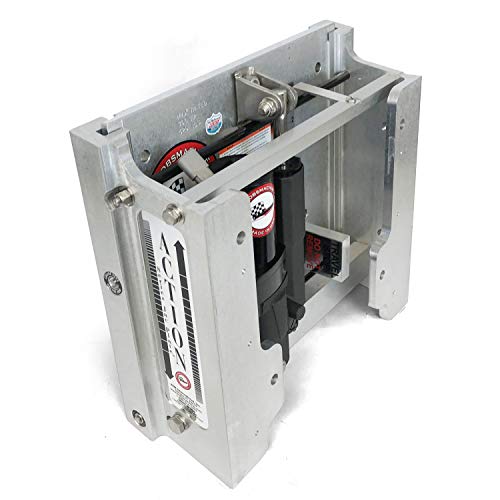
The Bob’s Machine Action Series Jack Plate is designed for high-power engines, offering a six-inch lift with a heavy-duty, one-piece design and integrated pump. It includes a wiring harness and control features for convenient operation. This option targets performance-focused users who need strong vertical lift for bigger outboards while maintaining reliable hardware integration.
Who it’s best for: boaters with large, powerful engines and the need for substantial lift. Why selected: robust lift capability and built-in pumping system for smooth operation. Caution: higher price point and more complex installation.
Buying Guide: Key Considerations And Comparisons
What should you check before buying a jack plate for an outboard? Here are practical factors and questions to guide your choice.
- Engine horsepower and shaft length: Match the jack plate’s supported HP and shaft compatibility to your outboard to avoid alignment issues or performance penalties.
- Lift height and setback: Consider how much vertical lift you need and how far you want the motor to move back from the transom. More lift improves prop bite in shallow water; more setback can improve handling at higher speeds.
- Material and construction: Aluminum offers a good balance of strength and weight; aircraft-grade or heavy-duty steel alloys provide maximum durability for larger engines.
- Adjustability: On-the-water adjustment enhances versatility, especially for boats that encounter varied loads or water conditions. Manual vs powered options affect ease of use.
- Mounting hardware and installation: Check included hardware, compatibility with your transom and crossmember, and whether a wooden mounting block is included if required by the model.
- Maintenance and corrosion resistance: Look for hardware finishes (bronze, brass, stainless) that resist binding and corrosion in saltwater environments.
Frequently Asked Questions
- What is a jack plate and why would I need one?
A jack plate raises and repositions the engine on the transom to optimize trim, balance, and performance, especially on boats with short transoms or shallow water operations.
- Can I install a jack plate myself?
Yes, provided you have the right mounting hardware and follow the manufacturer’s instructions. Some models require professional installation for optimal alignment.
- How much lift should I look for in a jack plate?
Lift requirements depend on boat design, weight distribution, and typical operating conditions. Start with a moderate lift and test hull performance before increasing.
- Is a longer setback always better?
No. While more setback can improve tracking at higher speeds, it can also affect steering effort and weight distribution. Choose based on your boat’s handling needs.
- What materials are best for saltwater use?
Corrosion-resistant alloys like stainless hardware and bronze/brass fittings help reduce binding and prolong life in marine environments.
- Do these plates work with all small outboards?
Each model has specific HP and shaft compatibility. Always verify engine compatibility with the jack plate’s specifications before buying.