Best Inflatable Dinghy Towing Bridle Options for Safe, Even Pull
For inflatable boats and dinghies, an adjustable towing bridle helps distribute pull evenly, reduce drift, and keep the vessel tracking straight. This guide highlights five top options designed to balance force, improve control, and enhance safety. Best for different needs include heavy-duty 3-point bridles for offshore pulls, 2-point designs for lighter setups, and lifting slings that double as towing aids in some situations. The products below are selected for clarity of design, visible flotation aids, and durable construction suitable for serious boating tasks.
| Product | Best For | Key Benefit |
|---|---|---|
| 3 Point Dinghy Towing Bridle with Float – FEIJAZUM | Offshore towing, larger inflatables | Uniform force distribution with a float aid |
| C-Level, Inc 3 Point Dinghy Towing Bridle | American-made reliability | Adjustable middle leg, yellow buoyant float |
| 2 Point Dinghy Towing Bridle with Float – FEIJAZUM | Smaller inflatables, easy handling | Double-point design with floating aid |
| Dinghy Towing Bridle with Float – Marine Part Depot | Budget-friendly option | Simple, effective 2-point design |
| FEIJAZUM Dinghy Sling, 3 Leg Lifting Sling | Alternative lifting and towing setup | Three-leg balance system with stainless hardware |
3 Point Dinghy Towing Bridle with Float
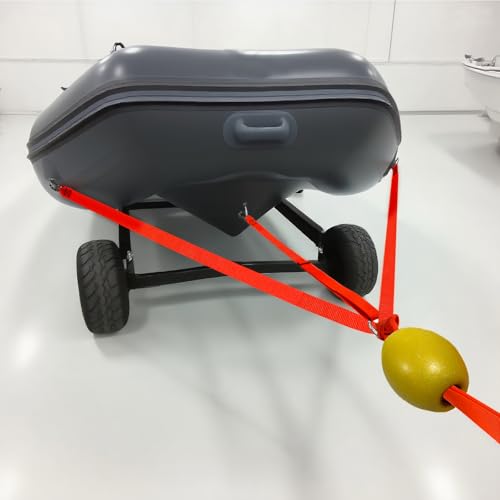
Best for offshore use and larger inflatables. This 3-point system uses a middle leg that adjusts to balance force across both sides of the boat, helping prevent yaw or drift. The 1-inch high-strength polyester webbing offers chemical stability suitable for sea conditions, and the yellow buoyancy module ensures flotation even if parts get wet or loaded. The design helps keep the dinghy tracking straight and reduces the risk of rollover during towing. A clear caution: ensure attachment points on the towing vessel and the dinghy are rated for the load and that fittings are secure before starting the tow.
C-Level, Inc 3 Point Dinghy Towing Bridle
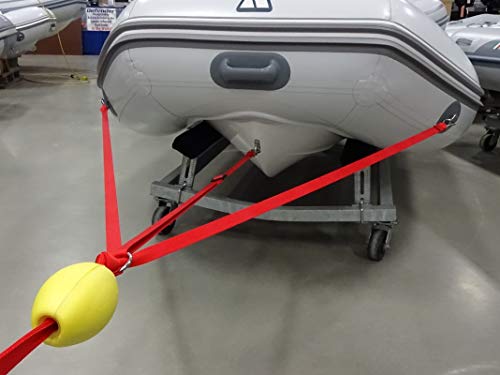
This model emphasizes American-made construction with a 3-point system and an adjustable middle leg for even pull. The bright yellow float reduces sinking risk, and stainless steel hardware (towing rings and snap hooks) enhances corrosion resistance in marine environments. Best for buyers prioritizing domestic manufacturing and robust hardware. Choose this if you want a straightforward, sturdy setup with reliable components and easy inspection before use. Limitation: heavier setup may be bulkier to install on smaller dinghies.
2 Point Dinghy Towing Bridle with Float – FEIJAZUM

Best for smaller inflatables or when a lighter setup is preferred. This 2-point design uses reinforced stitching on 1-inch polyester webbing and includes a floating yellow component to keep the line visible and away from the propeller. It provides reliable strength with simpler attachment points, making it a good choice for casual boaters or those towing shorter distances. Limitation: fewer contact points can mean less tolerance for rough seas or strong current pulls compared with a 3-point system.
Dinghy Towing Bridle with Float – Marine Part Depot

Budget-friendly option with a simple towing bridle and a floating aid. The inclusion of a float helps keep the line buoyant, reducing line snag risk and improving visibility. Best for buyers who want a basic, easy-to-use setup for light to moderate towing. Caution: this model has fewer advanced features and is best for treading light-duty towing rather than demanding offshore conditions.
FEIJAZUM Dinghy Sling, 3 Leg Lifting Sling

This three-leg sling is designed for lifting inflatable boats and can function as a balanced support when lifting or stabilizing the dinghy during towing on some setups. Best for buyers who need a multi-point suspension approach or need flexibility in how they manage the boat’s weight during operations. Limitation: primarily marketed for lifting, so confirm compatibility with towing attachment points before use and avoid mixing lifting gear with towing tasks without proper guidance.
Buying Guide
Key considerations for selecting an inflatable dinghy towing bridle:
- Pull distribution: Prefer 3-point designs for even force and straight tracking; 2-point options are lighter but offer less control in rough conditions.
- Materials: Look for 1-inch high-strength polyester webbing for chemical stability and durability; buoyant floats help keep lines clear of props.
- Hardware: Stainless steel hardware resists corrosion in saltwater; ensure rings and hooks are rated for the expected load.
- Float design: A bright yellow or highly visible float improves safety by keeping the line afloat and easy to spot.
- Attachment points: Verify the dinghy and towing vessel have secure, rated attachment points to prevent failure under load.
- Intended use: Offshore or long-distance towing benefits from heavier-duty bridles; casual, short-range towing may suit lighter designs.
FAQ
- What is the main advantage of a 3-point towing bridle?
It distributes pull evenly, improves tracking, and reduces the risk of rollovers compared with a single line. - Are flotation aids necessary on a dinghy towing bridle?
Flotation helps keep the line buoyant and visible, reducing entanglement and propeller risk. - Can a lifting sling be used for towing a dinghy?
Some sling designs can assist in lifting and stabilizing, but confirm the setup is rated for towing and is used with appropriate hardware. - What should I inspect before towing?
Check attachment points, hardware corrosion resistance, line tension limits, and the visibility of the float line. - Which bridle is best for small inflatables?
A lightweight 2-point bridle is often sufficient for small inflatables and casual towing needs. - Is this equipment marine-grade?
Materials and hardware vary; prefer products advertising stainless hardware and high-strength polyester webbing for longevity at sea.