Best Epoxy Paint for Fiberglass Boats: Top Picks for 2026
Finding the right epoxy paint for fiberglass boats means balancing durability, ease of application, and suitability for above-waterline use. This guide highlights five top options that boaters—from weekend sailors to serious racers—rely on to protect and beautify fiberglass surfaces. Each pick features recommended uses, pros and practical cautions to help you decide which is best for your craft and climate.
| Product | Best For | Why It Stands Out |
|---|---|---|
| TotalBoat Wet Edge Topside Marine Paint | Above-waterline topsides | High-gloss, durable, chemical-resistant finish; easy 1-part application |
| TotalBoat TotalTread Non-Skid Deck Paint | Decks and high-traction areas | Long-lasting polyurethane finish with low-glare texture |
| TotalBoat TotalBilge Epoxy Bilge Paint | Bilge, engine rooms, lockers | Tough, waterproof epoxy designed for harsh spaces |
| TotalBoat Marine Topside Primer | Primer for fiberglass or wood | One-part primer that supports 1-part and 2-part topside coatings |
| Globalcom Fiberglass Repair Kit | Minor repairs before painting | Epoxy filler with UV resistance for prep and seam repairs |
TotalBoat Wet Edge Topside Marine Paint

This high-gloss topside coating is designed for above-waterline use on fiberglass and other surfaces. It delivers a scratch- and chemical-resistant finish with excellent color and gloss retention. The formula is a 1-part system, making application straightforward with brush, roller, or spray methods. Best for powerboat hulls, sailboat topsides, and exterior trim where a showroom finish matters. A potential limitation is sensitivity to improper surface prep; prepare thoroughly for best adhesion and longevity.
TotalBoat TotalTread Non-Skid Deck Paint

This non-skid deck paint provides a textured, high-traction surface ideal for decks, docks, and cabin floors. Formulated as a long-lasting polyurethane finish, it resists fading and peeling and cleans easily. The product is versatile for boats and other wet-area surfaces like patios. Choose this if you prioritize secure footing and minimal maintenance on high-traffic deck areas. It may be heavier to apply than smooth-topside paints, so plan for even coats and proper cure time.
TotalBoat TotalBilge Epoxy Based Bilge Paint

This epoxy bilge paint is built for the toughest bilge spaces, engine rooms, and bulkheads. It resists chemicals, oils, acids, and solvents, helping you manage leaks and maintain visibility. Best for owners who want a hard, waterproof coating in hard-to-reach spaces. A limitation is that bilge surfaces often require careful preparation, and proper priming is recommended for certain substrates.
TotalBoat Marine Topside Primer
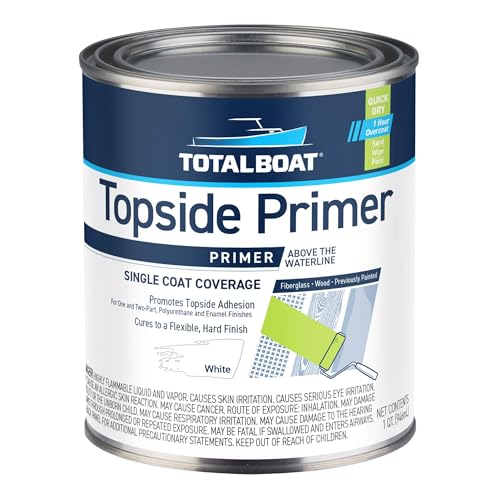
This one-part primer creates a durable undercoat for both 1-part and 2-part polyurethane and enamel topside paints. Use above the waterline on fiberglass, wood, or gelcoat for optimal adhesion and build. It seals surfaces with a single coat, though a second coat can be applied if needed for higher build. Best for prepping fiberglass or wood before applying a topside coating.
Globalcom Fiberglass Boat Repair Kit

This repair kit addresses chips, cracks, pits, and holes on fiberglass surfaces. It provides strong adhesion, UV resistance, and waterproof protection to restore surfaces before painting. Best for pre-paint prep or as a temporary fix before an epoxy topcoat. A caution is that it is a repair product, not a finish coating, so use in combination with an epoxy topcoat for full protection.
Buying Guide: Choosing The Right Epoxy Paint For Fiberglass Boats
Key factors influence performance and longevity of epoxy finishes on fiberglass boats. Consider surface type, exposure, and maintenance needs to match the product to your boat’s usage.
What surfaces will you paint?
Most epoxy topside paints work on fiberglass, gelcoat, and wood. For priming, use compatible primers designed for fiberglass to ensure adhesion and durability. Primers often improve build, color acceptance, and hide imperfections.
Where will it be used?
Above-waterline finishes require UV resistance, gloss retention, and chemical resistance. For decks or high-traffic areas, a non-skid or textured finish adds safety. For bilge areas, select epoxy-based paints that resist oils, fuels, and chemicals.
Which application method suits you?
1-part systems are simpler and faster for small projects or DIY enthusiasts. 2-part systems offer higher performance but require precise mixing and longer cure times. Always follow manufacturer directions for prep, mixing, and cure conditions.
Durability vs. appearance
High-gloss finishes look sharp but may require more frequent maintenance in harsh UV or salt environments. Textured or non-skid finishes trade some gloss for traction and longer life in decks and steps. Balance aesthetics with functional needs.
Safety and preparation
Work in a well-ventilated area and wear protective gear. Thorough surface prep—clean, dry, and sanded—maximizes adhesion. Use compatible cleaners and primers to prevent adhesion failures.
Maintenance considerations
Regular cleaning with non-abrasive cleaners helps maintain gloss and color. Inspect for peeling or cracking, especially in seams and hull transitions, and address early to prevent water intrusion or structural issues.
Summary of top picks for fiberglass boats
- TotalBoat Wet Edge Topside Paint: Best for glossy, durable topsides above the waterline.
- TotalBoat TotalTread Non-Skid Deck Paint: Best for decks and high-traction surfaces.
- TotalBoat TotalBilge Epoxy Bilge Paint: Best for bilges and engine spaces requiring tough protection.
- TotalBoat Marine Topside Primer: Best for prepping fiberglass and wood before topcoats.
- Globalcom Fiberglass Repair Kit: Best as a prep-and-repair step before painting.
Frequently Asked Questions
- What is the difference between epoxy and polyurethane topside paints?
Answer: Epoxy provides strong adhesion and moisture resistance; polyurethane adds UV resistance and color retention for exterior use. - Can I mix a primer with a topcoat from different brands?
Answer: It’s best to use compatible primers and topcoats from the same brand or verify compatibility with the manufacturer’s guidelines. - Is non-skid paint suitable for small boats?
Answer: Yes, non-skid paints can be used on small decks, but ensure the texture is appropriate for your comfort and safety needs. - How long should I let epoxy paint cure before launching?
Answer: Cure times vary by product and conditions; follow the product label for minimum cure duration before exposure to water or sun. - Do I need a primer if I’m applying a 2-part epoxy topcoat?
Answer: Some 2-part systems require a specific primer for best adhesion, while others are designed as self-priming; consult the manufacturer’s guidance. - Are there environmental or safety concerns with epoxy paints?
Answer: Use in well-ventilated areas, wear protective gear, and follow disposal guidelines for solvents and cured coatings.