Best Emergency Beacons for Boats With GPS and Global Coverage
When it comes to boating safety, having a reliable emergency beacon can be a lifesaver. These devices help alert search and rescue teams promptly in case of an emergency on the water. Below is a summary table featuring some of the top emergency beacons for boats that offer GPS tracking, global coverage, and are built to meet marine safety requirements.
| Product Name | Brand | Key Features |
|---|---|---|
| ACR ResQLink 400 – SOS Personal Locator Beacon | ACR | No subscription, 406 MHz distress signals, LED & infrared strobe |
| ACR ResQLink View RLS – SOS Personal Locator Beacon | ACR | Return Link Service, digital display, no subscription, 5-year battery |
| TEKTITE® SOSeFLARE Electronic Boat Distress Flare | TEKTITE® | USCG & SOLAS approved, waterproof, floatable, 30+ hours SOS light |
| ACR ResQLink View Buoyant Personal Locator Beacon | ACR | Lightweight, buoyant, GPS SOS with no subscription, wearable clips |
| ACR ResQLink 410 RLS – SOS Personal Locator Beacon | ACR | Return Link Service, global GPS & Galileo compatibility, no subscription |
ACR ResQLink 400 SOS Personal Locator Beacon

The ACR ResQLink 400 is a subscription-free personal locator beacon designed for boating and outdoor emergencies. It operates on a 406 MHz distress frequency and provides homing signals to ensure rescue teams can find your exact location quickly. This beacon features an LED strobe combined with an infrared strobe for enhanced visibility, especially in low-light or nighttime conditions. Reliability is at the forefront, offering you peace of mind with no ongoing subscription costs.
ACR ResQLink View RLS with Digital Display

This advanced beacon from ACR provides the Return Link Service (RLS), which confirms to the user that search and rescue teams have received the distress signal. It includes a digital display and an infrared strobe for better signal detection. The beacon boasts a long 5-year battery life and 28+ hours of operational use. Subscription-free, this device is ideal for boaters who want real-time acknowledgment of their emergency signals and reliable GPS coverage worldwide.
TEKTITE® SOSeFLARE Electronic Boat Distress Flare

The TEKTITE® SOSeFLARE is a USCG and SOLAS certified electronic distress flare, making it a compliant alternative to traditional boat flares. It emits an SOS Morse code flash for over 30 hours using replaceable CR123 lithium batteries with a long shelf life. Fully waterproof and submersible to 500 feet, it floats upright and is highly visible under any condition. Its handheld design makes it perfect for jet skis, personal watercraft, and marine survival kits.
ACR ResQLink View Buoyant Locator Beacon
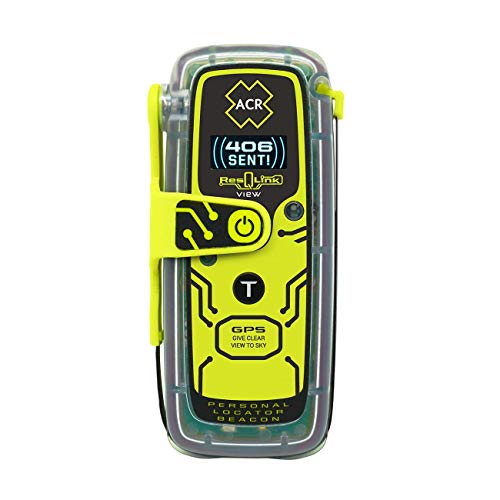
The ResQLink View by ACR is a lightweight, buoyant beacon perfect for boating enthusiasts. It sends an SOS distress signal complete with GPS coordinates using a 406 MHz frequency and 121.5 MHz homing signal. No subscription is needed, and it comes with several attachment clips for easy carrying on life jackets or gear. This device also supports sending test messages through an optional subscription, increasing its versatility for safety checks.
ACR ResQLink 410 RLS Personal Locator Beacon

The ResQLink 410 RLS brings global coverage to boating safety with GPS, Galileo GNSS, and MEOSAR satellite compatibility. The Return Link Service confirms the alert has been received, providing additional assurance during emergencies. With no subscription fees and a reliable 5-year battery life plus over 24 hours of operational time, it stands out as a globally capable and user-friendly emergency beacon for marine adventures.
Buying Guide: Choosing The Right Emergency Beacon For Your Boat
Selecting the best emergency beacon for your boat involves multiple considerations to ensure you stay safe on the water. Here are key factors to evaluate before purchasing:
Subscription Requirements
Some emergency beacons require ongoing subscription fees to access satellite rescue networks, while others offer subscription-free operation. Subscription-free devices provide convenience and cost savings but verify the coverage reliability and rescue support.
Global Satellite Coverage and GPS Accuracy
Look for beacons with compatibility to global satellite systems, such as GPS, Galileo, and MEOSAR, to guarantee worldwide functionality. Accurate GPS positioning expedites rescue efforts by providing precise location data.
Battery Life and Maintenance
A long battery life, typically several years with sufficient operational hours in emergencies, is essential. Check if batteries are replaceable or rechargeable and the shelf life so you are always prepared.
Signal Visibility and Alert Types
Emergency beacons come with various signaling methods including LED strobes, infrared strobes, and electronic flares. For nighttime or low visibility conditions, devices with bright, flashing signals enhance rescue chances.
Durability and Waterproof Rating
Marine environments are harsh, so choose beacons designed to be waterproof, submersible, and rugged enough to withstand waves and rough handling. Floating designs help maintain visibility if dropped in water.
Size, Weight, and Mounting Options
Consider portability and ease of use. Compact and lightweight beacons with attachment clips or mounts allow quick deployment during emergencies and convenient carry during boating or related activities.
Additional Features
Some models include Return Link Service (RLS) to confirm alert receipt, digital displays for status monitoring, or support for sending test messages. These advanced features can improve user confidence and operational control.