Best Antifouling Paint for Fiberglass Boats: Durable, Easy-Clean Options
Answering the top buyer question: which antifouling paints work best on fiberglass boats while staying practical and affordable? This guide compares five reliable options, focusing on fiberglass suitability, single-season protection, and ease of use. The listed products are well-suited for sailors, powerboat owners, and waterway commuters who want predictable performance without heavy maintenance.
Summary table of selected products
| Product | Best For | Key Benefit | Notes |
|---|---|---|---|
| TotalBoat Underdog Marine Antifouling (Blue, Gallon) | Frequent users in saltwater | Economical, single-season protection | Ablative coating; easy next-season recoat |
| TotalBoat Underdog Marine Antifouling (Black, Gallon) | Frequent saltwater sailors | Durable finish, easy maintenance | Ablative; similar to blue version |
| TotalBoat JD Select Ablative (Black, Gallon) | Season-long protection in varied waters | Self-polishing; low odor, low VOC | Water-based, easy cleanup |
| Interlux BottomKote NT (Black, GAL) | Fiberglass boats with marina restrictions | Low odor, broad compatibility | NT formula; good for marinas |
| Rust-Oleum Marine Flat Boat Bottom (Black, Quart) | Budget-conscious fiberglass users | Copper-release formula for fouling control | Support for fast recoat and launch timing |
TotalBoat Underdog Marine Antifouling Bottom Paint — Blue (Gallon)

Features: ECONOMICAL ANTIFOULING BOTTOM PAINT provides excellent single-season protection; copper biocide keeps barnacles and mussels from clinging to hull bottoms; effective in all saltwater conditions; releases fresh biocide as water moves under the boat; best for boats used frequently; durable finish withstands trailering & beaching; suitable for properly prepared fiberglass, wood, steel, and iron boat bottoms. The ablative coating wears away during the season, reducing buildup for next season.
Best for: Frequent saltwater users with fiberglass hulls who want cost-effective, single-season protection. This option is easier to recoat after a season since the coating wears away with use.
Caution: As an ablative coating, performance relies on movement; if laid up for long periods, consider other options with static protection. Ensure proper hull prep to maximize adhesion.
TotalBoat Underdog Marine Antifouling Bottom Paint — Black (Gallon)
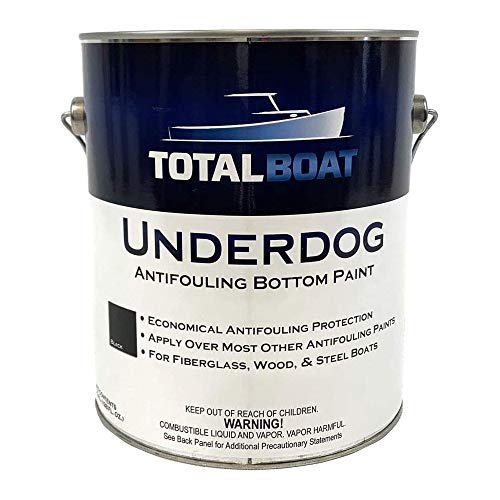
Features align with the blue variant: economical, single-season protection, copper biocide, effective in saltwater, ablative wear for easier next-season prep, and suitability for fiberglass, wood, steel, and iron bottoms.
Best for: Boat owners who sail or motor in saltwater and want a cost-efficient product with predictable one-season results. The color option helps with aesthetic preferences or visibility.
Caution: Colors may fade or vary with water conditions; verify color fidelity for your hull and keep in marina compliance.
TotalBoat JD Select Ablative Antifouling — Black (Gallon)

Features: ANTIFOULING PAINT FOR BOATS with a unique hybrid film; AB LATIVE BOTTOM PAINT self-polishes as the boat moves; reduces bottom paint buildup; durable finish can be burnished for smoother performance and fuel efficiency; low odor and low VOCs; easy soap-and-water cleanup; no maximum dry time before launch. Suitable for fiberglass, wood, and steel boats in saltwater and freshwater.
Best for: Those seeking low-odor, easy-cleanup options that still deliver a full-season protection in mixed-water environments. Ideal for marinas with environmental restrictions.
Caution: Self-polishing means wear depends on use; long idle periods may reduce effectiveness unless re-applied on schedule.
TotalBoat JD Select Ablative Antifouling — Blue (Gallon)

Features mirror the JD Select Ablative Black variant: unique hybrid film, self-polishing action, low odor and VOCs, easy cleanup, and suitability for fiberglass, wood, and steel in both salt and fresh water. The ablative nature minimizes paint buildup for easier maintenance next season.
Best for: Boats that spend significant time in saltwater or brackish water and need a consistent seasonal refresh. This option is good when you want a uniform look with durable performance.
Caution: Like other ablatives, performance depends on movement; long drying or sitting periods can affect the coating’s longevity.
Interlux YBB379G BottomKote NT — Black (Gal.)

Features: INTERLUX YBB379G FIBERGLASS BOTTOMKOTE NT Bottom Paint, Black GAL. NT formula; designed for fiberglass boats; offers antifouling protection with a focus on fiberglass compatibility and marina-friendly attributes.
Best for: Fiberglass hulls used in marinas with environmental or VOC restrictions; provides practical protection while meeting marina guidelines. Easy to apply with typical prep steps.
Caution: The NT formulation may require specific prep and recoating intervals; verify marina compliance for your area.
Rust-Oleum 396967 Marine Antifouling Paint — Black (Quart)

Features: Ideal for fiberglass, wood, or steel surfaces to prevent fouling below the waterline; formulated to slowly release copper for fouling prevention; recoat in 4 hours; launch in 16 hours; covers up to 110 sq ft.
Best for: Budget-conscious buyers needing a straightforward antifouling solution with quick recoat and launch windows. Suitable for smaller boats or limited maintenance schedules.
Caution: Contains copper biocide; consider potential environmental impact and compatibility with other coatings on the hull; ensure proper surface preparation for best adhesion.
Buying Guide: How to Choose Antifouling Paint for Fiberglass Boats
- Boat usage and water type: If you spend most time in saltwater and frequently use your boat, ablative (self-polishing) paints like TotalBoat JD Select or Underdog are advantageous because they shed coating and reduce buildup. For occasional use or mixed water, consider low-odor, low-VOC options that ease marina restrictions.
- Fiberglass compatibility: Look for paints explicitly listed for fiberglass and properly prepared hulls. Interlux BottomKote NT and similar products emphasize fiberglass friendliness and marina compliance.
- Environmental and safety considerations: Low-VOC and low-odor formulations simplify cleanup and reduce fumes in crowded marinas. Copper-free or copper-optional formulas help protect aluminum components and reduce galvanic concerns.
- Application and maintenance: Ablative paints wear away with use, reducing buildup but requiring reapplication each season. Self-polishing coatings can improve speed and fuel efficiency, while hard-wearing finishes may demand more prep for recoat.
- Marina rules and launch timing: Some marinas restrict toxic fumes or require quick launch times after application. Low-VOC and water-based options are often favored in these environments; plan launches accordingly.
- Cost and coverage: Compare cost per square foot and per gal. Some quarts or gallons may deliver more economical annual protection, especially for smaller boats or limited repaint cycles.
Frequently Asked Questions
- What is antifouling paint used for on fiberglass boats? It prevents organisms like barnacles, weeds, and slime from attaching to the hull, helping maintain speed and fuel economy.
- What is an ablative antifouling coating? An ablative coating slowly wears away as the boat moves, reducing paint buildup and simplifying next-season maintenance.
- Can I use antifouling paint in freshwater? Yes, many formulations work in both freshwater and saltwater, but check the product label for water type suitability and performance expectations.
- Do low-VOC coatings perform as well as traditional biocides? Low-VOC formulations prioritize environmental and user safety; many provide comparable protection with easier cleanup and reduced fumes.
- How soon after painting can I launch? Follow the product’s label for dry times; some require hours to days before launching, while others enable faster returns to the water under specific conditions.
- Is copper-free paint a better choice for aluminum hulls? Yes, copper-free formulas prevent galvanic corrosion on aluminum components and reduce brightening of colors in some cases.